Dracaena

Dracaena spp.
Formerly: Sansevieria spp.
Also known as: Dragon Tree, Corn Plant, Dragon Lily

A hardy, low-maintenance genus, well suited to beginners. Most dracaenas forgive a missed watering, tolerate low light and dry indoor air, and store water in their canes, thick roots, or fleshy leaves, so an occasional dry spell does no harm. They are less forgiving of overwatering and of fluoride or chlorine in tap water, which scorch the leaf tips. Watch for the early neglect signals: brown, crispy tips point to dry air or hard water, while soft yellowing lower leaves usually mean the soil stays too wet.

Genus

About the plant

Description

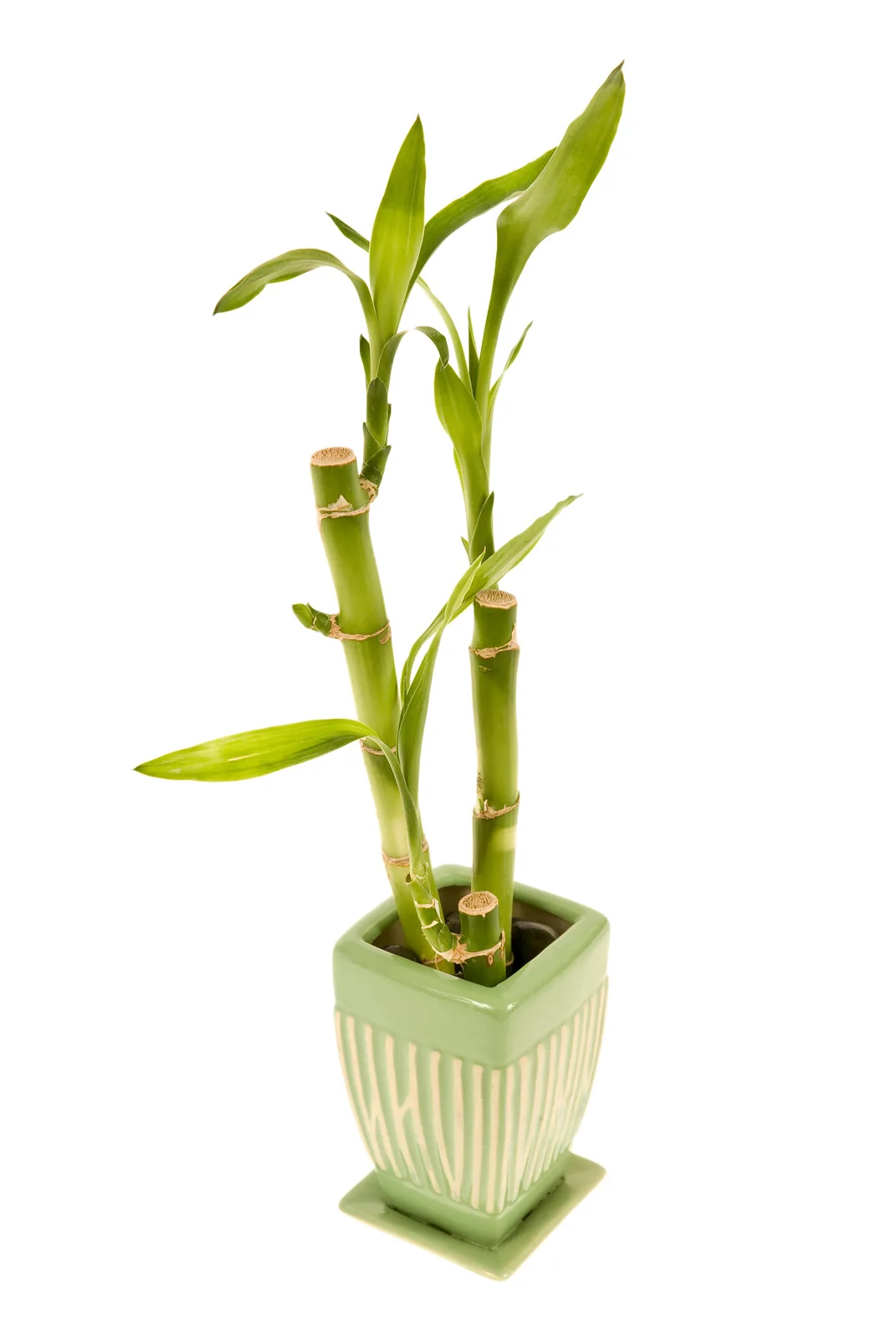
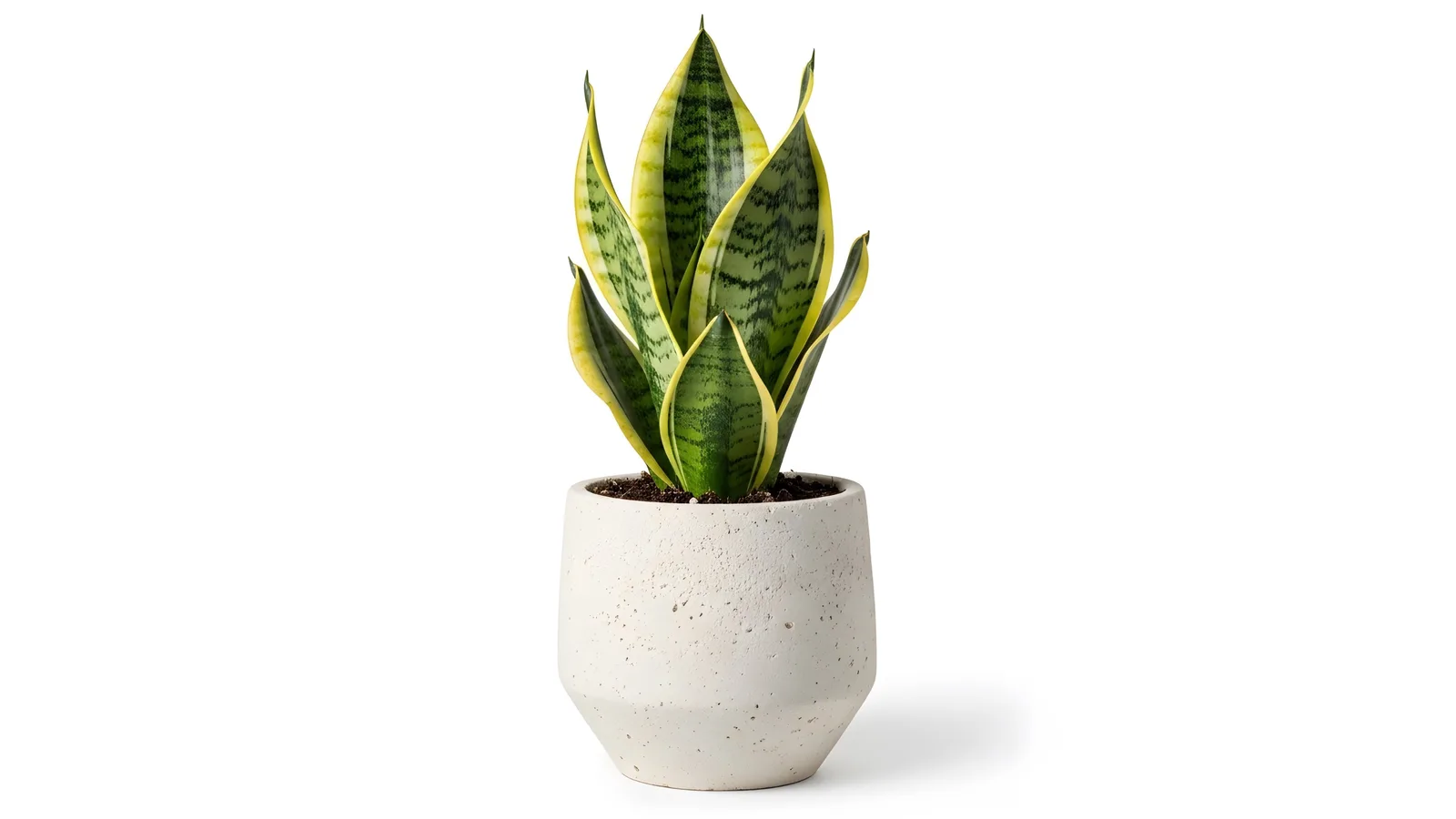
The genus Dracaena groups evergreen perennials of strikingly different forms, from small succulent rosettes to tall, tree-like plants. Their tough, sword- or strap-shaped leaves grow in tufts or basal rosettes. Unusually for monocots, the tree-like species thicken their stems over the years into genuinely woody trunks. Physical traits tie to survival: species from dry ground store water in fleshy leaves, thick roots, or swollen canes to ride out drought, while forest species carry broader, softer leaves suited to shade. Foliage varies enormously: D. marginata bears thin red-edged leaves on slim canes, snake-plant types (the former Sansevieria) form stiff, upright succulent blades, and many cultivars are boldly variegated in cream or gold.

Origin

Dracaenas come mainly from tropical and subtropical Africa, with the greatest diversity on Madagascar, and range on into southern Asia; a couple of species reach Central America. Across this range they grow in habitats from shaded forest understory to dry, rocky, near-desert slopes. That breadth explains their toughness as houseplants: species from arid ground store water in thick canes and roots and shrug off dry spells, while understory species tolerate lower light. The genus's love of warmth and dislike of frost trace directly to these frost-free tropical origins.

History

Carl Linnaeus established the genus Dracaena in 1767, with the dragon tree (D. draco) as its type. The name comes from the Greek drakaina, meaning 'female dragon', a nod to the deep-red resin that D. draco bleeds when cut, long traded as 'dragon's blood' and used as dye and varnish. Dracaenas became fashionable foliage plants in the greenhouses and parlors of the Victorian era, prized for tolerating low light and coal-heated indoor air. In the 20th century, tough, easy species like D. marginata and D. fragrans were mass-produced and became fixtures of homes and offices worldwide.

Care

Light

Bright, indirect light suits most dracaenas best. Direct midday sun scorches thin-leaved species, so shield them behind a sheer curtain on south-facing windows; east- or west-facing windows are ideal. Shade tolerance varies widely: D. fragrans and other forest species hold up well in low light for months, D. marginata prefers it brighter, and stiff, succulent snake-plant types handle several hours of direct sun. Variegated cultivars are the exception, as they need more light to keep their coloring: in dim conditions the stems grow leggy, the leaves shrink, and the variegation fades to plain green. In winter, move the plant closer to the window to make up for weaker light.

Water

Dracaenas are drought-tolerant as a group, but how often to water depends on the form. In every case, let the top 1-2 inches (2-5 cm) of soil dry first. Water leafy cane and tree types about once a week in spring and summer, dropping to every 10-14 days in winter. Water stiff, succulent snake-plant types far less, roughly every 2-3 weeks, once the soil has dried out almost completely. Use soft filtered, distilled, or rainwater, as many dracaenas are sensitive to the fluoride and chlorine in tap water, which build up and burn the leaf tips. Always drain the saucer after watering, since standing water quickly rots the roots. If the rootball dries out completely the leaves go limp but usually recover; rehydrate gradually rather than flooding the pot at once.

Humidity

Aim for a relative humidity of 40-60%. Dracaenas cope with average room air, but when humidity drops below 40% the leaf tips dry and turn brown, a problem the dry heating season makes worse. Keep the plant away from radiators, and raise humidity with a pebble tray, a humidifier, or occasional misting with soft water. Pair any misting with good airflow so damp, stagnant air around the leaves does not invite fungal spots. Brown tips also come from fluoride in tap water, so rule that out before assuming the air is too dry.

Temperature

Dracaenas do best between 65-75°F (18-24°C) and stay comfortable up to about 80°F (27°C). Most species suffer chilling damage below 54°F (12°C): the leaf margins brown and curl and lower leaves may drop, though cooling harms them gradually rather than killing them outright. Keep the plant away from cold drafts near doors, windows, and air conditioners, which trigger the same tip browning. Avoid placing it beside hot radiators as well, since the dry, hot air pulls moisture from the foliage.

Soil

Use a loose, well-draining mix based on peat or coco coir, slightly acidic and light enough to keep air around the roots. Avoid heavy garden soil, which compacts, cuts off oxygen, and holds the moisture that leads to root rot. Improve aeration by blending the peat base with perlite, coarse sand, or fine bark in roughly a 2:1 ratio. Stiff, succulent snake-plant types need an even grittier mix with a high proportion of coarse sand, perlite, or pumice. Even a ready-made cactus soil is usually worth amending with more of these, since bagged mixes are often too moisture-retentive on their own. To reduce the mix's water-holding capacity, you can lay a drainage layer of coarse sand, gravel, or clay pebbles at the bottom of the pot; coarse sand works best because it does not let soil particles wash through and clog the holes. Alternatively, skip the bottom layer and simply add more amendments throughout the substrate. Refreshing the soil every couple of years also flushes out the built-up salts that scorch the leaf tips.

Pot

Grow dracaenas in a pot with drainage holes so water never collects at the bottom. Many species grow tall and top-heavy, so a heavy ceramic or clay pot adds stability and keeps a lightweight container from tipping. Unglazed clay is a good match because its porous walls let the soil breathe and dry more evenly, lowering the risk of root rot.

Fertilizer

Feed with a balanced liquid fertilizer (NPK 10-10-10 or 20-20-20) once a month during active growth in spring and summer, diluted to half strength. Dracaenas are light feeders and sensitive to salt and fluoride buildup, which browns the leaf tips, so apply the solution to already-damp soil after regular watering to avoid burning the roots. Stop feeding entirely in fall and winter, when growth slows and excess nutrients simply accumulate in the soil. If the tips brown from over-feeding, flush the pot with plenty of soft water to wash out the salts.

Repotting

Repot every 2-3 years in spring, as dracaenas grow slowly and prefer to be slightly root-bound. Repot when roots grow out of the drainage holes or circle the surface, when water runs straight through, or when growth stalls. Keep the plant at the same depth it grew before, since planting it deeper invites rot, and move up only one pot size to avoid excess wet soil. Fresh mix also flushes out the accumulated salts that brown the leaf tips.

Growth

Lifespan

A long-lived perennial that commonly grows for 10 years or more indoors, and often far longer with steady care. As it ages, the oldest lower leaves yellow and drop: cane types gradually bare a slender trunk, while rosette types shed their outer leaves, and growth slows either way. This is natural aging, not disease. Rejuvenate a leggy cane type in spring by cutting the cane back to the height you want, so new shoots sprout below the cut and the removed top can be rerooted. Rosette types are renewed instead by division.

Where it can grow

Grown mainly as an indoor plant in a stable, warm spot. During the warm season it can spend time outdoors, as long as night temperatures stay above about 54°F (12°C). Give thin-leaved types a wind-sheltered spot in partial shade, and acclimate stiff, succulent types gradually to brighter sun so the leaves do not scorch. Bring the plant back inside in late summer before nights turn cold, and keep it clear of drafts and sudden temperature swings, which damage the foliage.

Cold hardiness

Hardy outdoors year-round only in USDA zones 10-11 (12 for some species). As tropical plants, dracaenas have no frost tolerance and are damaged well before freezing. In cooler climates grow them indoors and bring them inside once temperatures approach 54°F (12°C).

Growth rate

Slow growth rate. During spring and summer the plant puts out new leaves and slowly builds out its rosette or cane, taking several years to reach full size. Growth nearly stops in fall and winter as daylight shortens. Prune cane types in spring to control height and encourage branching, but no regular pinching is needed.

Mature size

Size varies enormously across the genus, from compact succulent rosettes just 6-16 inches (15-40 cm) tall to indoor trees of 6-10 feet (1.8-3 m) and far larger in the wild, where D. draco reaches 30-50 feet (10-15 m). Most form either a basal rosette of stiff leaves or a slender cane topped with a tuft of arching, sword- or strap-shaped leaves that bares the stem from below with age. Leaf size ranges just as widely: D. marginata's leaves reach about 24 inches (60 cm) long and only 0.5 inch (1-1.5 cm) wide, while broader-leaved species like D. fragrans are stouter. Dwarf cultivars such as 'Compacta' stay under 35 inches (90 cm) with short, tightly clustered leaves.

Blooming

Dracaenas rarely bloom indoors. Flowering needs a mature plant (often five years or older) and conditions close to its natural habitat: bright indirect light, warmth, and steady care. When it does happen, most notably in D. fragrans, the plant sends up branching sprays of small white or cream flowers that open at night and release an intense, sweet fragrance to draw nocturnal pollinators. The scent can be almost overpowering in a closed room. Once the flowers fade, cut the spent stalk at the base so the plant channels its energy back into foliage rather than seed.

Dormancy

Dracaenas have no true dormancy, but growth slows markedly from about October to February as daylight shortens. Water less during these months, letting the soil dry deeper between waterings to prevent rot in the cooler, low-light conditions. Hold off on feeding until spring, since the near-idle roots cannot use the extra nutrients. A slightly cooler rest around 59-64°F (15-18°C) suits the plant, but keep it above 54°F (12°C) and away from drafts.

Maintenance

Pruning

Prune in spring or early summer, when the plant recovers fastest. Sanitary pruning suits every type: remove dry, yellowed lower leaves and trim brown tips without cutting into the green tissue. For cane and tree types, shape or rejuvenate by cutting a cane straight across at the height you want. This releases apical dominance, so new shoots sprout just below the cut. A badly leggy plant can be cut back hard to a 4-6 inch (10-15 cm) stump, and the removed top rerooted. Rosette and succulent types are not cut back this way: instead, cut whole leaves off at the base. Wear gloves, as the sap can irritate the skin.

Propagation

Propagate in spring and summer during active growth, when cuttings root fastest. Cane and tree types grow readily from stem cuttings: take a healthy top at least 4 inches (10 cm) long, or a section of bare cane, cut with a clean, sharp knife. Rosette and succulent types are increased instead by dividing the clump, or, for snake-plant types, by leaf cuttings. Root cuttings in water, moist perlite, or a light peat-sand mix at room temperature; they usually take 2-4 weeks, and move to a permanent pot once roots reach about 1-2 inches (2-5 cm).

Support

Most dracaenas need no support: cane and tree types stand on their own woody stems, and rosette types grow low and compact. Moss poles and trellises are never needed, since dracaenas neither climb nor trail. A tall, top-heavy specimen (especially D. marginata) can lean as it grows and may need a discreet stake, and braided or multi-cane arrangements keep their soft ties to hold the shape.

Problems

Root rot

The most common cause of death, brought on by overwatering or water left standing in the saucer. Let the top 1-2 inches (2-5 cm) of soil dry between waterings and always empty the saucer. If the cane turns soft and the lower leaves yellow, cut the healthy green top off above the rot and reroot it in fresh soil.

Brown leaf tips

The signature dracaena problem, caused by fluoride and chlorine in tap water, dry air, or salt buildup from fertilizer. Water with soft, filtered, distilled, or rainwater and keep humidity around 40-60% to prevent it. Trim the dry tips with clean scissors without cutting into the living green tissue, and flush the soil occasionally to wash out salts.

Etiolation

In too little light the stems stretch, pale, and produce small, widely spaced leaves. Move the plant to a brighter spot with indirect light, or add a grow light in winter. A stretched stem will not shorten again, so cut the deformed top off and reroot it to restore a compact shape.

Pests

Spider mites, mealybugs, scale, and thrips can move in when the air is dry. Wipe the leaves regularly and check the undersides and leaf axils so infestations are caught early. If pests appear, rinse the plant under a warm shower and treat it with insecticidal soap or neem oil.

Safety

Human

Non-Toxic

Non-toxic to humans, though eating the leaves can cause mild stomach upset. The sap may lightly irritate sensitive skin, so wear gloves when pruning thick canes, blot any sap with a tissue, and wash your hands afterward.

Dog

Toxic

Toxic to dogs. The leaves and stems contain saponins, natural compounds that irritate the digestive tract when chewed or swallowed. Symptoms include vomiting (sometimes with blood), drooling, loss of appetite, weakness, and depression, usually within a few hours. If your dog eats part of the plant, rinse its mouth with clean water, remove any plant material, and contact a veterinarian if symptoms develop.

Cat

Toxic

Toxic to cats. Like the rest of the genus, it contains saponins that irritate the mouth and digestive tract. Symptoms include dilated pupils, vomiting, heavy drooling, abdominal pain, and a faster heartbeat, and the long, strappy leaves often tempt cats to chew. If your cat eats part of the plant, rinse its mouth with clean water, take the plant away, and contact a veterinarian if symptoms appear.

This information is for general guidance only and is not medical or veterinary advice. If you suspect poisoning, contact a doctor, vet, or poison control immediately.